
The End of the Walled Garden
The traditional home console is facing a quiet crisis. Sales are slowing down, development budgets are ballooning into the hundreds of millions, and players are getting tired of being locked into single platforms. Microsoft knows this. Now, leaked internal documents suggest the tech giant wants to break the cycle by turning its next console into a highly optimized, Windows-powered PC.
Targeted for a 2027 release, this upcoming hardware will reportedly run a unified “Xbox-Windows” operating system. This is not just a minor dashboard update. It is a fundamental rewrite of how consoles work, designed to let third-party PC storefronts like Steam and the Epic Games Store run directly on next-gen Xbox hardware.
How the FTC Leak Exposed the 2027 Vision
We first got a glimpse of this future during Microsoft’s massive legal battle with the Federal Trade Commission over the Activision Blizzard acquisition. An unredacted cache of internal files accidentally went public, exposing years of secret roadmaps. Among those files were plans for a hybrid, cloud-forward platform designed to merge PC flexibility with console convenience.
This fits perfectly with public statements from Xbox chief Phil Spencer. In recent interviews, Spencer has openly complained about the limits of closed ecosystems. He pointed out that players on PCs can buy games from Steam, Epic, or GOG, yet console players are stuck with a single digital shop. Microsoft wants to change that. By opening the next Xbox to other stores, they could instantly make their hardware the most versatile box under the TV.
Inside the Tech: Zen 6, NPU, and Hybrid Power
Building a hybrid operating system that is simple enough for a controller but powerful enough to run PC games is a massive engineering hurdle. To pull it off, Microsoft is designing a brand-new silicon architecture. According to the leaked roadmaps, the company is aiming for a next-generation AMD processor, likely utilizing Zen 6 CPU cores alongside an AMD RDNA 5 or custom Navi 5 graphics processor.
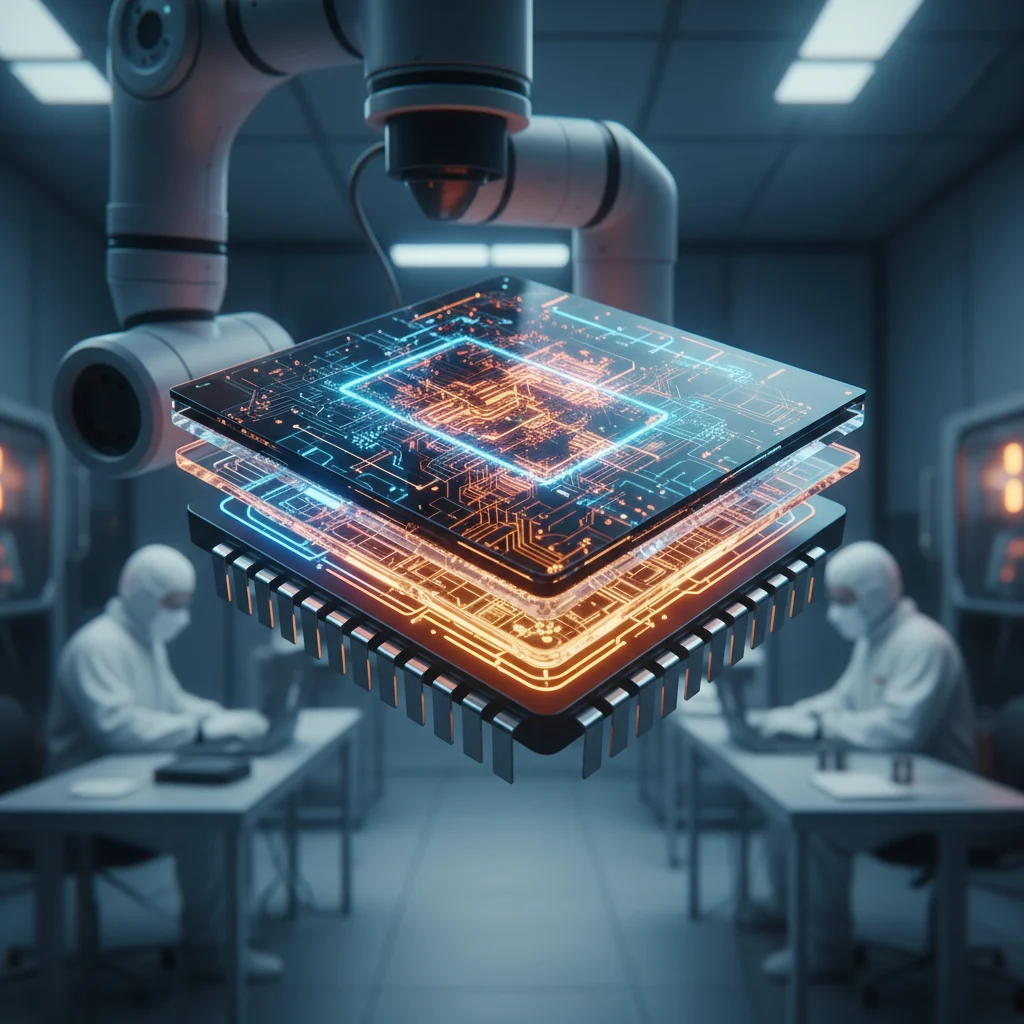
But the real magic lies in machine learning. The documents outline a dedicated Neural Processing Unit (NPU) built directly into the console. This chip will handle real-time resolution upscaling, frame generation, and AI-driven game assistance. It is a hardware-level solution to keep the console competitive with high-end PCs without driving the retail price into the thousands.
There is also a strong emphasis on the cloud. The 2027 vision relies on a “cloud-hybrid” computing model. This system splits the workload. It handles latency-sensitive tasks like player movement on the local box, while offloading massive world-rendering tasks to Microsoft’s Azure servers. It is an ambitious bet, but one that depends heavily on the quality of a player’s home internet.
A Dangerous Gamble for the Industry
Why would Microsoft give up its monopoly on the Xbox Store? Historically, console makers sold hardware at a loss and made their money back on a 30 percent cut of digital game sales. Giving that up to let Valve take those profits on Steam seems like financial suicide.
But Microsoft is playing a different game. They are currently in third place in the traditional console race, far behind Sony’s PlayStation 5 and Nintendo’s Switch. They have realized that selling hardware is no longer the ultimate goal. If they can sell a console that acts as a cheap, powerful pre-built gaming PC, they can win over millions of PC players who want to play on a couch but do not want to abandon their existing Steam libraries.
It is a bold strategy. If Microsoft succeeds, the line between PC and console will disappear forever. Sony will be left defending the old way of doing things, while Microsoft ushers in an open era where your library goes wherever you do.